“Comely Coeds”: How Student Media Covered Notre Dame’s First Undergraduate Women
Fifty years after the first coeducational class graduated, the campus papers of the time show...
Vol.170No. 3
Fifty years after the first coeducational class graduated, the campus papers of the time show...
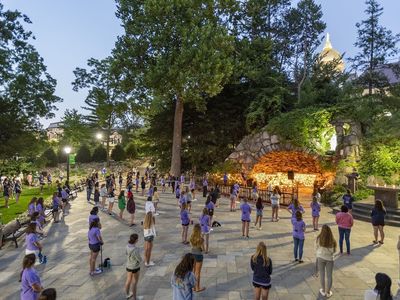
There’s no denying that the Notre Dame community is constantly adjusting to new norms and rules brought about by COVID-19, but there’s one group of students who have an additional adjustment to make: the first years. Being a freshman in college is always an experience, so what does it look like to be a freshman during a pandemic?
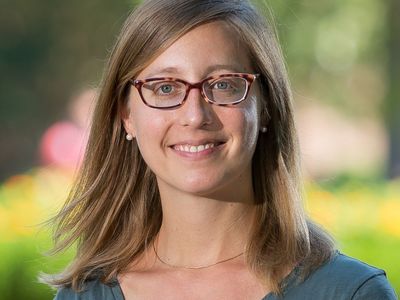
Laurel Daen is an Assistant Professor of American Studies at the University. She works with the John J. Reilly Center for Science, Technology, and Values and specializes in disability, sickness, medicine, and health in early America. She is currently writing a book about disability and civil rights, and has been published in the Journal of Social History, Journal of the Early Republic, Early American Literature, History Compass, and Rethinking Modern Prostheses in Anglo-American Commodity Cultures, 1820-1939. This semester she is teaching “Epidemics in America,” a course which looks at the history of health and disease in American history and its influence on the longlasting culture of the country.
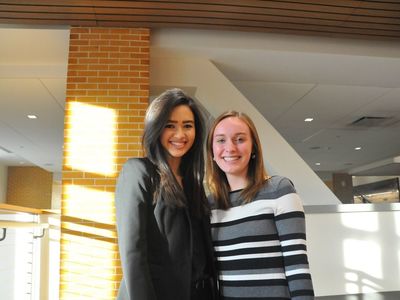
The beginning of the semester has been an absolute whirlwind. As leaders, we are learning that one of the most important things we can do in this time is listen. Every day, the situation ahead of us takes shape in a new way, and there is no way to predict the course of the semester. However, we will do our best to actively seek out student voices, critically monitor our systems and respond with empathy.
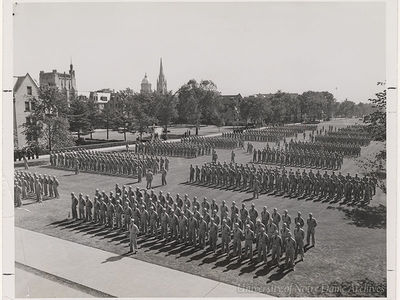
Amidst the rage of World War II in the Aug. 14, 1942 issue of Scholastic, the students of this university faced a similarly complicated, unstable and daunting environment. At the onset of the fall semester, President of the University Rev. Hugh O’Donnell, C.S.C. issued a letter to the student body in order “to keep the students accurately informed of developments vital to their welfare in the current emergency.”
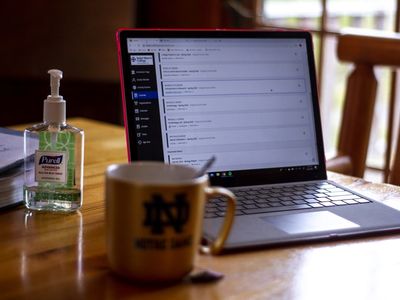
Scholastic wanted to hear firsthand from Notre Dame students about their experiences away from campus and transitioning to asynchronous learning.
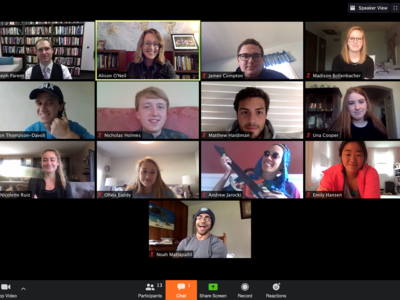
Notre Dame students and faculty had to quickly adjust to a new educational reality, completing the semester’s coursework while scattered across the globe.

In an Oct. 19, 1918 issue of Scholastic, writers reported on an announcement made by then-president Father Cavanaugh. “For the protection of the University, he announced that permission to go to the city can not be had,” it read.
What a time we are living in.
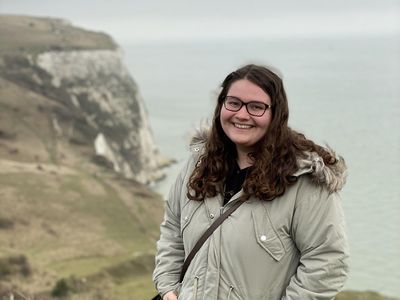
Since joining Scholastic…

The UCC’s goals include providing services to Notre Dame students facing issues ranging from depression or anxiety to general stress. Despite the closed campus, their mission remains.

Hadas Elber-Aviram is an adjunct assistant professor at the university’s London Global Gateway. She has been working there for three years, over which she has taught…

In order to catalog the living history of Notre Dame at this point in time, Scholastic asked a number of students, both on and off staff, to write about their experiences over the past few weeks.

For years, Americans have been told to follow the three R’s: reduce, reuse and recycle...

According to the December 1975 edition of Scholastic, the winter blues have affected Domers for generations.

On Friday, Feb. 21 and Saturday, Feb. 22, professors, players and purists of jazz flocked to Notre Dame for the university's annual Collegiate Jazz Festival (CJF). Celebrating its 62nd year of operation, CJF is the oldest jazz festival in the country, collegiate or otherwise.

CURRENTLY 2,559 EXONERATIONS. MORE THAN 22,540 YEARS LOST.

On Thursday Feb. 27, the South Bend Tenant Association (SBTA) had its launch event at the Western Branch Public Library. There, founder Rodney Gadson spoke with local members of the community to inform tenants of their rights and the resources available to them in South Bend.

Annie Gilbert, associate professor of American studies and concurrent associate professor of history, has a passion for sports studies and the intersection between nature and culture in the American West.

As we write this letter on St. Patrick’s Day, looking out onto our desolate campus, we cannot help but wonder, “Why?” Why is our world being consumed in a global pandemic that seems unstoppable? Why is senior year coming to an end like this? Why were we not prepared? For many of us, it has been difficult to make sense of this chaos and try to find some positives in a time of great darkness.

Only a few weeks ago, coronavirus was just one of several news notifications filling my inbox and scrolling across my screen. Another troubling tidbit quickly to be archived and forgotten.
As February rolled around, however, the notifications piled up and the chatter about the increasingly worrisome crisis spread like wildfire. With each passing day, the news, the worry and the statistics grew exponentially.
In years past, synthesizing the single word or phrase that encapsulates the heart of the race for student body president and vice president has been fairly simple. With six tickets and several important voting issues to debate this season, that task is significantly more complicated.

While Zachary Mercugliano and Aviva Lund are a ticket with limited student government experience, they have crafted their multifaceted platform with passion and idealism.

Scholastic endorses Connor Whittle and Jack Rotolo for their experience, their clear, feasible platform and most importantly, their understanding of the sentiments of the student body.
Both Whittle and Rotolo brought humor, excitement and openness to their interview with Scholastic, and they seek to bring the same qualities to their campaign and possible tenure as student body president and vice president.

Michael Dugan and Ricardo Pozas Garza believe they can help student government better serve the student body.

On their approach to campaigning, Henry said, “I think when you wake up a champion you walk in with champion energy. That’s what we do. We wake up, we look at ourselves in the mirror, and we see excellence.”
For the fifth annual Walk the Walk Week, students, faculty and guests participated in an array of thought-provoking events. Programming included a discussion panel luncheon with keynote speaker…
Every year Scholastic …
Be kind to yourselves, be kind to each other and be present for one another. Grieving takes time and is not easy, but you have the resources around you to hold you in love and grace and to help you to walk through this.

Notre Dame’s campus looked vastly different in 1961 ... However, some of the university’s traditions had already been adopted by the 1960s. Bengal Bouts, Notre Dame’s renowned boxing program, was one of them.