Every generation develops nostalgia for certain moments in the past. People often look back on old music, fashion trends, television shows and childhood memories with a sense of longing. However, there is something unusual about the way people remember 2016. Unlike most recent years, 2016 has become a cultural phenomenon of its own. Social media platforms are filled with videos celebrating the year, comment sections are flooded with people wishing they could go back and discussions about 2016 continue to appear long after it ended. While every year eventually becomes nostalgic, 2016 stands apart because it represented the end of a shared digital culture before social media became more commercialized, personalized and performance-driven.
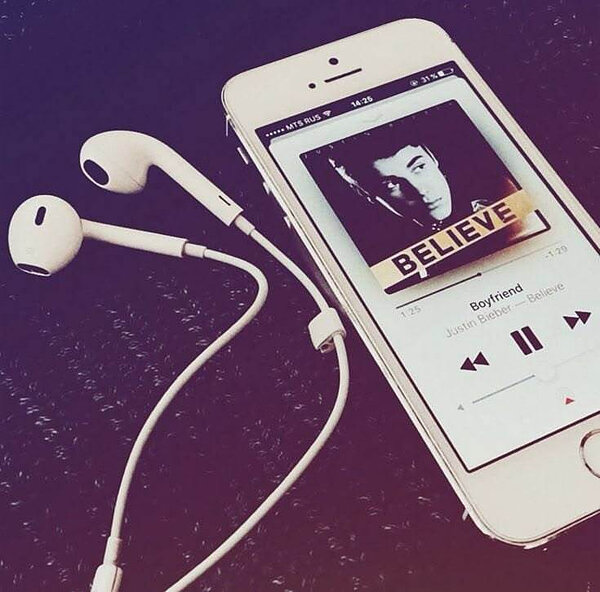
One reason 2016 continues to occupy such a unique place in popular memory is that it coincided with a distinct stage in the development of the internet. By that point, social media had become widespread enough to connect millions of people through shared experiences, but it had not fully evolved into the highly personalized and commercialized system that exists today. Looking back, 2016 feels as though it captured a brief moment when online culture was operating at its highest level of collective participation. The internet had reached a scale it had never achieved before, allowing trends, music, humor and cultural moments to spread with unprecedented speed, but the experience still felt new rather than routine. What made 2016 memorable was not any single trend or event, but the sense that people were witnessing a cultural shift in real time. In hindsight, many people view it as a “peak” that the internet has struggled to recreate, which helps explain why nostalgia for the year remains so strong today.
The nostalgia surrounding 2016 is also connected to how people used social media during that period. Online platforms certainly influenced behavior, but there was generally less pressure to create a polished personal brand. Users posted awkward selfies, participated in strange trends and shared content simply because they found it entertaining. The internet felt more experimental and less focused on appearance. In contrast, many modern platforms encourage users to maintain a carefully curated image. Online success is often measured through engagement, visibility and personal branding. Looking back, the imperfections of 2016 are part of what many people now appreciate about the year. People participated because they enjoyed being involved, not because they were attempting to market themselves.

Some people may argue that nostalgia for 2016 exists simply because many people were younger at the time. While growing up certainly contributes to nostalgia, it does not fully account for the fascination surrounding the year. People do not speak about every year from their childhood with the same enthusiasm. 2016 is remembered with unusual intensity because it represents a transitional moment between the early social media era and the highly algorithmic environment that dominates today's internet. In hindsight, many people view it as the closing chapter of a euphoric cultural period.
Ultimately, the nostalgia associated with 2016 extends beyond memories of music, fashion or online trends. People miss the feelings that accompanied those experiences. The year symbolizes a time when internet culture felt more communal, spontaneous and authentic than it does today. Although 2016 was only one year among many, it has evolved into something larger in public memory. Rather than longing for the year itself, people are nostalgic for what it represented: the end of an era that now feels increasingly distant.